
An all-white bathroom might seem like a clean, minimalist dream, but according to top interior designers, it often falls flat, feeling more like a sterile lab than a relaxing retreat. 😕 In 2025, as homeowners seek sanctuaries in their spaces, experts like Brittny Button, Julie Mays, and Lauren Kyle warn that the lack of color and texture can make these rooms bland and unwelcoming. They emphasize that without thoughtful additions, an all-white base becomes a 'dead zone,' devoid of warmth or personality. But fear not—renovations aren't always needed. Instead, simple tweaks with soft goods, accessories, and smart lighting can transform it into a cozy oasis. This approach not only saves time and money but also aligns with modern trends favoring sustainability and personal expression. 🛁✨
Designers point out that the core issue with an all-white bathroom is its starkness. Brittny Button, founder of Button Atelier, calls it 'devoid of tonal color,' leading to a clinical vibe that's far from calming. She suggests drawing inspiration from spa decor to introduce warmth. For instance, using creams, teak, or cedar woods adds earthy tones that soften the space. A small change like swapping out hardware pulls or adding a textured shower curtain can make a big difference. As Button puts it, 'Introducing texture with towels, rugs, and art elevates the space instantly.' People often ask, 'What are the easiest ways to add warmth without a full remodel?' Experts recommend starting with these elements:
-
Towels and rugs in warm neutrals: Opt for soft beiges or light blues for a soothing effect.
-
Wooden accents: Think teak bath mats or cedar shelves to bring in natural warmth.
-
Art and decor: Hang simple pieces with subtle colors to break the monotony.
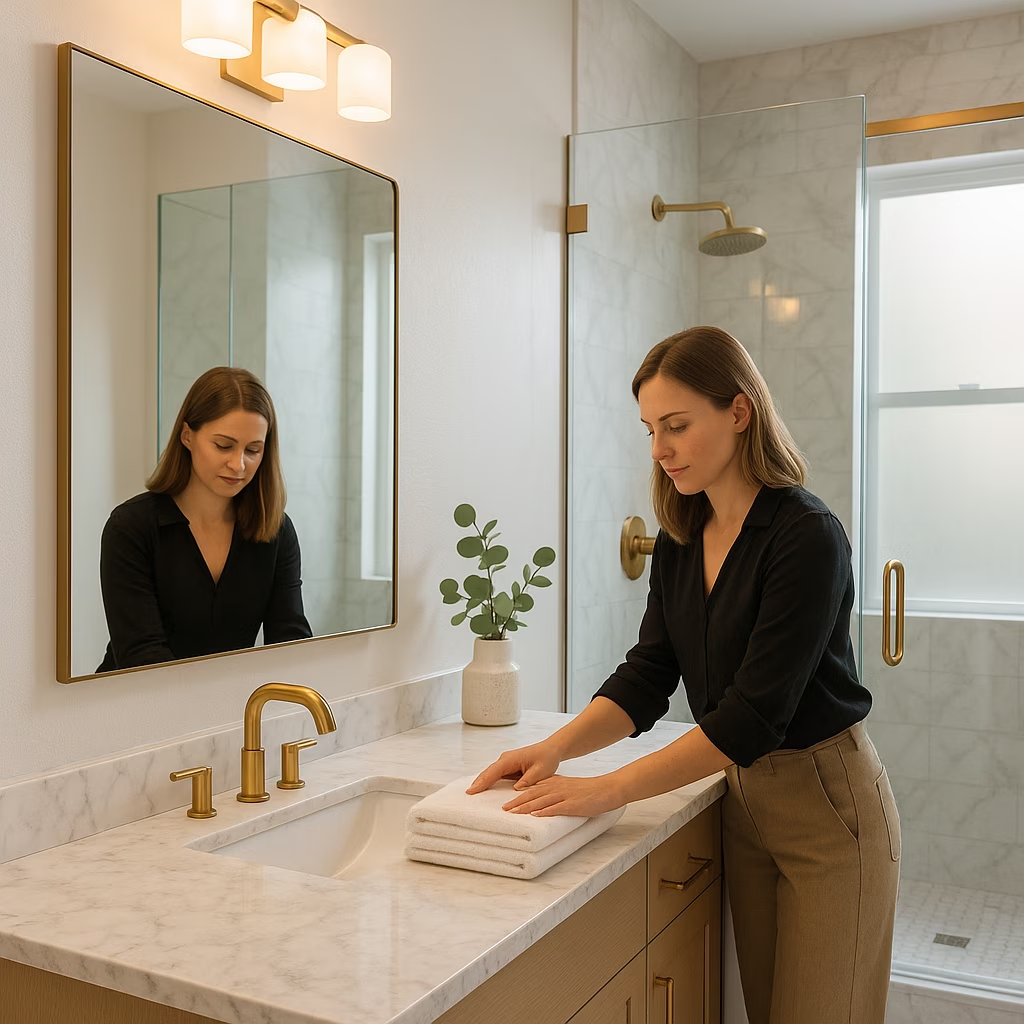
Lighting plays a crucial role in making an all-white bathroom feel inviting, especially in 2025 when smart home integrations are booming. Julie Mays, of Julie Mays Interiors, notes that without natural light, these spaces can feel sterile. 'If you have a window, leverage it,' she advises. 'But for windowless bathrooms, focus on artificial light with warmer bulbs.' Mays suggests upgrading mirrors and sconces to fixtures with gold or bronze finishes, which cast a cozy glow. People also wonder, 'How can lighting affect the mood in a small bathroom?' The answer lies in layering—combining ambient, task, and accent lights to create depth. For example, dimmable LEDs in warm tones (around 2700K) mimic sunlight, reducing that clinical feel. Adding a small table lamp or decorative sconce can turn a harsh corner into a welcoming nook. 😊
 :max_bytes(150000):strip_icc():format(webp)/GettyImages-1451695511-ef97686a38294b5985efd4a4fd8a5c71.jpg)
Patterns are another game-changer for breaking up an all-white bathroom's uniformity. Lauren Kyle from Kyle & Co Design explains that without contrast, it's hard to achieve a peaceful vibe. 'Don't shy away from pattern,' she says. 'A fun rug or art piece adds visual interest and coziness.' Kyle recommends starting small with towels featuring subtle stripes or geometric designs, then scaling up to bolder elements like wallpaper accents. People also ask, 'Can patterns make a small bathroom look cramped?' Surprisingly, no—when done right, they draw the eye and create an illusion of space. For 2025, trends lean toward organic patterns like botanical prints or abstract waves, which feel fresh yet timeless. Just avoid overwhelming the room; balance is key. A patterned rug underfoot or a shower curtain with gentle motifs can transform the atmosphere without cluttering.
Texture is often overlooked in all-white bathrooms, where smooth tiles and fixtures dominate. Button highlights that this lack of variation makes the space uninteresting. 'Smooth surfaces don't attract the eye,' she notes. Instead, layer in tactile elements like plush towels, woven baskets, or even a textured vanity. For instance, swapping out plain white tiles for a rug obscures the floor and adds comfort. People also inquire, 'What textures work best for a modern bathroom?' Experts suggest mixing materials:
| Material | Effect | Examples |
|---|---|---|
| Natural fibers | Adds warmth and earthiness | Jute rugs, linen towels |
| Metallic accents | Introduces subtle shine | Brass faucets, copper accessories |
| Soft fabrics | Creates coziness | Velvet bath mats, cotton shower curtains |
Color choices are critical in an all-white setting, as the wrong hues can backfire. Button and Mays both warn against bold, saturated colors like royal purples, acrid yellows, or forest greens. 'They simply don't work,' Button says, as they clash with the white and feel jarring. Mays adds that high-energy tones like hot pinks or electric yellows disrupt the unwinding vibe. Instead, opt for calming blues or warm neutrals that blend harmoniously. People often ask, 'Which colors are safest for a serene bathroom?' Stick to soft, grounded shades like sage green, pale blue, or sandy beige. In 2025, muted pastels are gaining popularity for their ability to evoke tranquility without overwhelming. A coat of paint on walls or the vanity can dramatically shift the feel—choose hues that reflect personal style while maintaining balance.
:max_bytes(150000):strip_icc():format(webp)/GettyImages-1454675514-81183e056b494eb2b6b251c45937b36a.jpg)
Beyond the basics, designers emphasize that an all-white bathroom shouldn't be boring. Kyle encourages creativity with decorative accessories, such as adding art or unique hardware. 'A patterned rug can add that cozy feel,' she says. Button agrees, noting that even small items like soap dispensers or planters in textured finishes can elevate the space. People also wonder, 'How do I maintain a clean look while adding personality?' Focus on curated additions—limit to a few statement pieces to avoid clutter. For example, a single piece of wall art or a cluster of potted plants brings life without chaos. In 2025, sustainability trends mean repurposing items like vintage mirrors or upcycled wood, which add character and eco-friendliness. 😌
As we navigate the evolving landscape of home design in 2025, one might ponder: How will emerging technologies, like AI-driven lighting or smart mirrors, influence our ability to balance aesthetics and functionality in bathroom spaces? Could personal well-being trends shift the focus from pure minimalism to more textured, sensory-rich environments? These questions invite reflection on the future of our private sanctuaries.