
In the ever-evolving world of interior design, all-white bathrooms have remained a popular choice for their clean, minimalist aesthetic. However, as we step into 2025, leading designers are sounding the alarm on the stark, clinical feel these spaces often evoke, urging homeowners to embrace subtle transformations without major renovations. According to experts like Brittny Button, Julie Mays, and Lauren Kyle, the key lies in infusing warmth through strategic additions of color, texture, and pattern, turning sterile environments into serene sanctuaries. This shift reflects a broader trend toward wellness-focused homes, where bathrooms serve as personal retreats rather than purely functional areas. 😊
The Stark Reality of All-White Spaces
Brittny Button, founder of Button Atelier, highlights that the primary issue with an all-white bathroom is its lack of tonal variation, which creates a 'dead zone' devoid of warmth. "It's devoid of tonal color, lacks warmth or cool tones, and can therefore come off as bland," she explains. "All-white is too clinical in feeling and procures lab-like settings." Instead, Button recommends drawing inspiration from spa decor, incorporating elements like creams, teak, or cedar woods to introduce calming, earthy tones. This approach not only softens the harshness but also aligns with 2025's emphasis on biophilic design, where natural materials foster mental well-being. For instance, swapping out basic fixtures with warm-toned hardware can make a significant difference without costly overhauls.
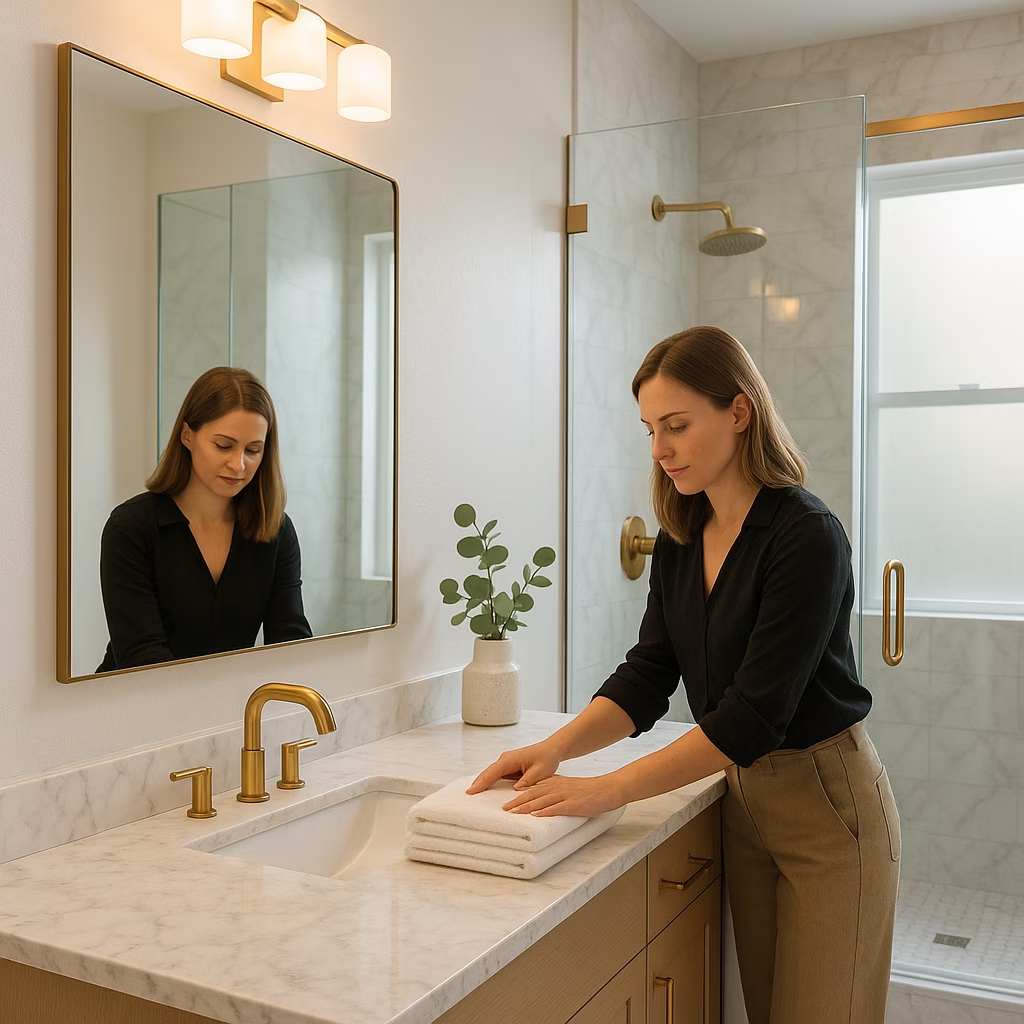
Lighting challenges are another critical factor, as noted by Julie Mays of Julie Mays Interiors. "If your bathroom has a window, natural light can make all the difference," she says. "But without that, all-white bathrooms can feel a bit sterile." In windowless scenarios—common in modern urban homes—Mays advises prioritizing color and texture swaps, such as replacing mirrors and sconces with warmer alternatives. She also suggests using soft, soothing lightbulbs to mimic daylight, a tip gaining traction in 2025 for its energy efficiency and mood-enhancing benefits. This simple update can transform the ambiance, making the space feel more inviting and less like a clinical lab. 💡
Embracing Texture and Pattern
Lauren Kyle, founder of Kyle & Co Design, emphasizes that the absence of contrast in all-white bathrooms hinders the peaceful vibe desired in spa-like settings. "Without much contrast, it’s hard to get that warm, peaceful vibe you want," Kyle notes. To counter this, she champions playful patterns through accessories like rugs and towels, which add visual interest without overwhelming the space. "A patterned rug can add a cozy feel," she adds, recommending bold yet subtle designs that inject personality. Here’s a quick summary of top texture-boosting ideas from the experts:
-
Towels and rugs: Opt for woven or textured fabrics in calming blues or neutrals.
-
Shower curtains: Choose materials with slight sheen or embossing to catch light.
-
Art and decor: Introduce small sculptures or framed pieces with organic shapes.
-
Hardware pulls: Switch to brushed metals like bronze for tactile warmth.
Button expands on this, pointing out that smooth tiles and porcelain fixtures often lack eye-catching appeal. "Introducing texture with hardware pulls, towels, rugs, shower curtains, art, and home decor can elevate the space," she says. In 2025, this is easier than ever with sustainable options like bamboo or recycled cotton textiles, reflecting eco-conscious trends. A small vase of dried flowers or a woven basket can create focal points, turning bland corners into cozy nooks. This method not only addresses monotony but also supports the year’s push for low-waste home updates. 🌿
Avoiding Color Pitfalls
One major drawback of all-white bathrooms is the need for careful color selection, as overly bold hues can clash dramatically. Button warns against saturated shades like royal purples, acrid yellows, or forest greens, stating they "simply don’t work for white bathroom spaces." Mays echoes this, cautioning that high-energy colors such as hot pinks, bright oranges, and electric yellows are a hard pass. "They don’t work in a space that’s meant to help you unwind," she asserts. Instead, both designers advocate for soft, grounded tones that promote relaxation, such as:
| Recommended Colors | Avoid These Colors |
|---|---|
| Warm neutrals (e.g., creams, beiges) | Royal purples |
| Calming blues (e.g., sky or teal hues) | Acrid yellows |
| Earthy greens (e.g., sage or olive) | Forest greens |
| Soft grays with warm undertones | Hot pinks |
This palette advice is particularly relevant in 2025, where color psychology plays a bigger role in home wellness. For a quick refresh, Button suggests painting walls or vanities in contrasting yet harmonious shades, or adding a rug to obscure white tile flooring. "Painting the walls and vanity different colors can have a dramatic effect," she notes. These minor changes can yield a spa-like retreat without the need for demolition, making them ideal for renters or budget-conscious homeowners in today’s economy. 🎨
Final Touches for a Cohesive Look
To wrap up, Kyle encourages creativity with decorative accessories, urging homeowners not to shy away from patterns. "Try adding fun towels, maybe some art, and get creative with your decorative accessories," she says. In 2025, this could mean incorporating smart tech like LED-lit mirrors that adjust color temperature or using AI-generated art prints for personalized flair. The overarching theme is balance: start with warm neutrals and blues, layer in textures, and avoid jarring contrasts. As designers reiterate, these updates foster tranquility and reflect the year’s focus on mindful living. Ultimately, transforming an all-white bathroom isn’t about grand gestures—it’s about thoughtful details that turn clinical into comforting. 🌟