
Navigating kitchen design is like conducting a culinary orchestra—every element needs its proper place to create harmonious efficiency. The National Kitchen & Bath Association (NKBA) offers guidelines that transform chaotic cooking spaces into streamlined culinary command centers, though these are recommendations rather than rigid codes.
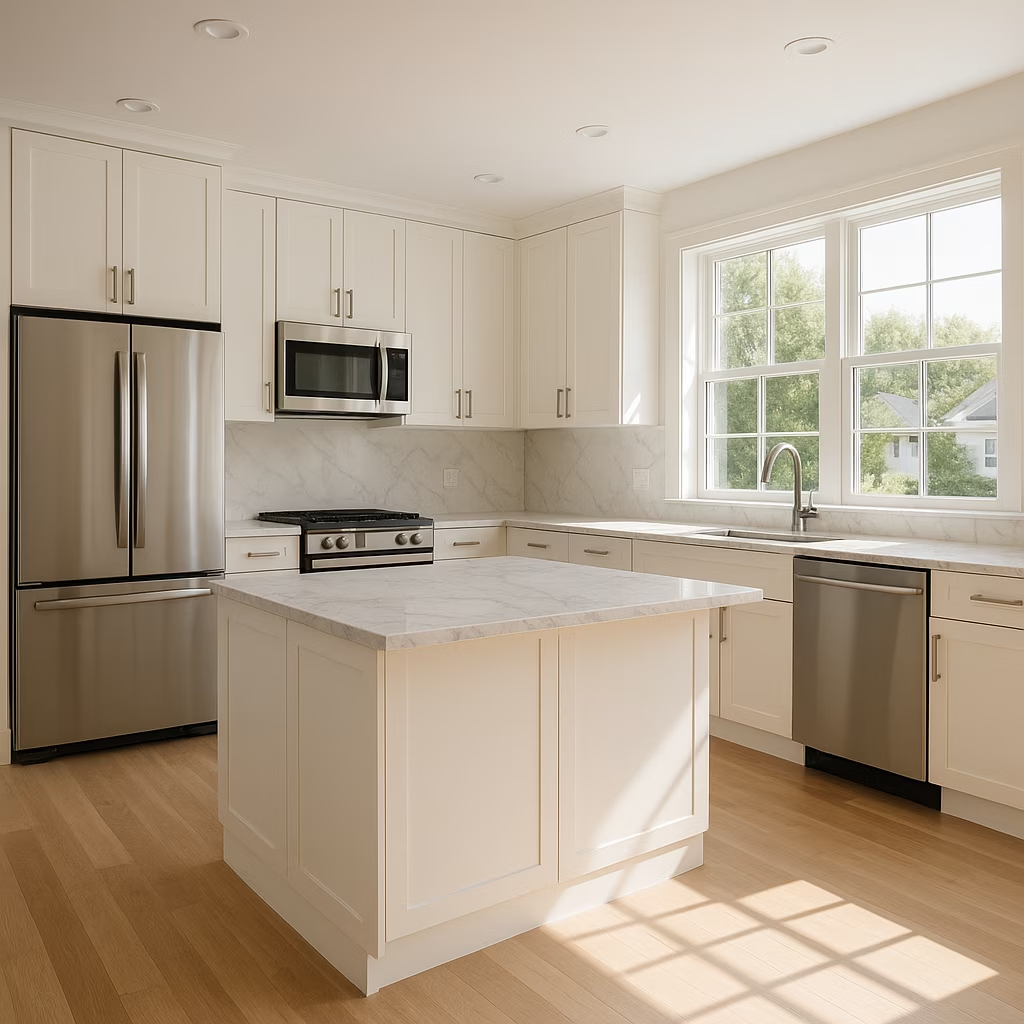
The Magical Kitchen Triangle
The legendary kitchen triangle—connecting sink, refrigerator, and stove—functions like a culinary GPS guiding cooks through their gastronomic journeys. This triangular arrangement isn't just geometry; it's the secret sauce for minimizing kitchen fatigue. The golden rules? Keep the total triangle perimeter under 26 feet, with each leg measuring between 4-9 feet—like finding the perfect distance between dance partners: close enough for connection but far enough for freedom.
Island Adventures: Finding the Sweet Spot
Kitchen islands are the divas of kitchen design—they demand attention and space. The recommended 42-48 inches between island and counter creates a culinary runway that prevents traffic jams during dinner rush hour. Think of it as giving your island its own personal bubble—too close and it feels claustrophobic, too far and it becomes isolated.
Walkway Wonders
Kitchen pathways should flow like well-choreographed river currents—minimum 36 inches wide, allowing smooth navigation even when carrying Thanksgiving turkey or dodging curious pets. These thoroughfares separate the cooking ballet from the everyday traffic flow.
Seating Strategy
Breakfast bars and kitchen seating require thoughtful spacing—like arranging guests at a dinner party. Allow 32-44 inches behind chairs for comfortable movement, or 60 inches for wheelchair accessibility. Proper seating clearance turns cramped corners into comfortable conversation zones.
Dishwasher Diplomacy
Dishwasher placement requires the precision of a chess master's move. Keep it within 36 inches of the sink—like having best friends living next door—for easy dish transfer. And give it 21 inches of clearance from cabinets, allowing its door to swing open like a gracious host welcoming clean dishes home.
Landing Zone Logistics
Kitchen landing areas are the unsung heroes of meal preparation—these counter spaces adjacent to major appliances function like pit stops in a culinary race:
-
Sink landing: 18-24 inches on each side for dish staging
-
Refrigerator landing: 15 inches on handle side for grocery unloading
-
Cooking surface landing: 12-15 inches for ingredient prep
-
Oven landing: 15 inches for hot item placement
These zones prevent kitchen chaos, ensuring hot pans and fresh ingredients have designated safe spaces.
Island Installation Intelligence
Before adding an island, measure your kitchen like a tailor measuring for a custom suit. A 2x4 foot island requires at least 12x8 feet of kitchen real estate. Smaller kitchens might benefit from narrow custom islands—like having a compact sports car instead of an SUV—providing functionality without overwhelming the space.
Appliance Alliance
Keep refrigerators away from ovens and stoves—it's like separating feuding relatives at family gatherings. The heat makes refrigerators work overtime, while fridge doors in high-traffic areas create navigation nightmares.
The 3x4 Rule Fantasy
The ideal of three separate 4-foot counters is the kitchen design equivalent of finding unicorn—wonderful in theory but challenging in practice. While professional chefs might achieve this triple-threat counter arrangement, most home cooks adapt this concept to their space constraints.
Remember, these guidelines are like having a experienced culinary coach—they provide direction but ultimately, your kitchen should reflect your unique cooking style and flow. Whether you're a weekend baker or daily dinner warrior, proper spacing transforms kitchen chores into joyful culinary experiences.