
As my parents approached their golden years, I found myself diving deep into the world of aging-in-place renovations. The goal seemed straightforward enough: modify their beloved home to keep them comfortable and independent for as long as possible. But wow, what a rabbit hole! Through conversations with experts and my own research, I realized that many well-intentioned renovations can actually backfire spectacularly. It's not just about slapping some grab bars on the wall; it's about thoughtful design that balances safety with livability. Let me walk you through the pitfalls I discovered, because trust me, you don't want to learn these lessons the hard way.
1. Full Room Remodels: Often Overkill
When we first started planning, my initial thought was, "Let's just gut the bathroom and start from scratch." But then I spoke with Ryan Holt, a certified aging-in-place specialist, who set me straight. He explained that full room remodels are rarely necessary and can be a massive waste of money. Instead of tearing everything out, most bathrooms can be minimally modified with strategic upgrades. Think grab bars, accessible toilets, and maybe a curbless shower—all achievable without turning the space into a construction zone for weeks. The key is to focus on what's truly needed rather than assuming everything must go. It's about working smarter, not harder.
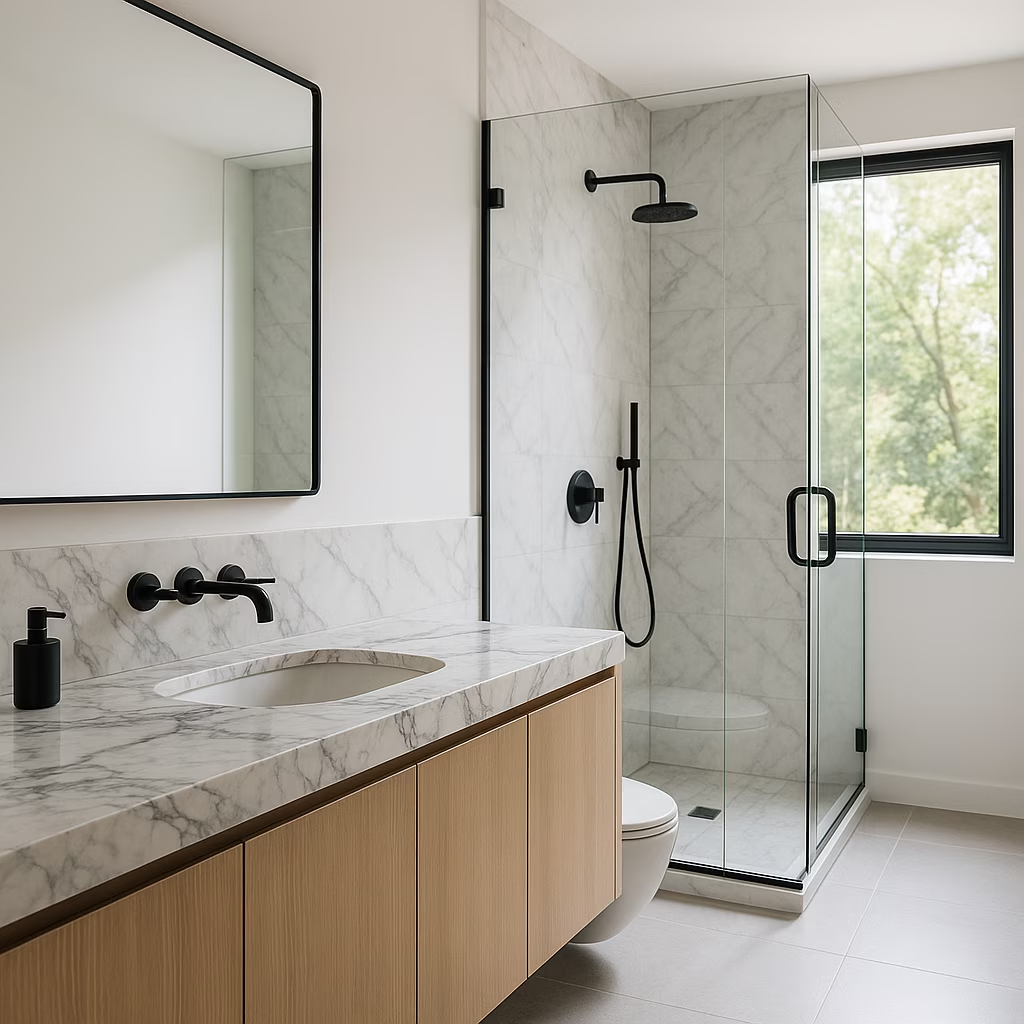
2. Sacrificing Style for Sterility
This one hit close to home. I'll admit, I initially pictured my parents' house turning into something resembling a hospital ward. But Rachel Blindauer, a principal interior designer, opened my eyes to a better approach. "The goal isn’t to install a hospital bathroom in your home—it’s to create a space that supports your future self without compromising your present joy," she told me. Instead of opting for oversized, clinical-looking grab bars and medical-grade flooring, she advocates for "invisible ease." Imagine curbless showers tiled in natural stone or widened doorways that look like architectural features rather than accessibility modifications. It's all about integrating safety seamlessly into the home's aesthetic.
3. Elevator Installations: Usually Unnecessary
My parents live in a two-story house, so my mind immediately jumped to installing an elevator. Talk about a pricey idea! But Holt pointed out that elevators are often overkill unless someone is wheelchair-bound and cannot transfer without assistance. For most folks, stair lifts are a far more affordable and less invasive option. They're easier to install, cost a fraction of an elevator, and get the job done just fine. Before you go all-in on an elevator, seriously consider whether a stair lift might be the better bang for your buck.
4. Walk-In Tubs Without Upsizing the Water Heater
Walk-in tubs seem like a no-brainer for safety, right? Well, here's a curveball I didn't see coming. Holt shared that a common mistake is installing a walk-in tub without upgrading the water heater. These tubs have a much larger capacity than standard ones, so many existing water heaters can't keep up. Imagine filling the tub only to run out of hot water halfway—brrr! The solution? Pair that new tub with a tankless water heater, which provides a steady flow of hot water and is more efficient to boot. It's one of those details that's easy to overlook but can make or break the experience.
5. Rough Flooring Transitions
Replacing flooring is a common aging-in-place upgrade, especially with slip-resistant materials. But Holt warned me about the devil in the details: flooring transitions. "Even small transitions—from hardwood to carpet, tile to vinyl, or subtle height differences at thresholds—can easily become tripping hazards," he explained. Ensuring smooth, level surfaces throughout the home is crucial. It's not just about the material itself but how different materials meet. A seamless transition might seem like a small thing, but it can prevent nasty falls. So, when planning new flooring, don't just focus on slip resistance; pay attention to those transitions too.
6. Renovating When Relocating Is Smarter
Perhaps the toughest lesson was accepting that sometimes, no amount of renovating can make a home truly suitable for aging in place. If a house requires drastic, expensive changes—like adding a main-floor bedroom or completely reconfiguring the layout—it might be wiser to consider downsizing or relocating. Holt put it bluntly: "Sometimes the most practical and cost-effective solution to age-in-place isn’t renovating but downsizing or relocating to a home designed with single-floor living in mind." It's a tough pill to swallow, especially when there's emotional attachment to a home, but it's essential to weigh the costs and benefits realistically.
Key Takeaways at a Glance
| Mistake | Why It's a Problem | Better Alternative |
|---|---|---|
| Full room remodels | Costly and often unnecessary | Minimal, targeted modifications |
| Sacrificing style | Creates a clinical, uninviting space | Integrate safety features aesthetically |
| Elevator installations | Overkill for most situations | Stair lifts as a cheaper, less invasive option |
| Walk-in tubs without upgraded water heaters | Risk of running out of hot water | Pair with a tankless water heater |
| Rough flooring transitions | Major trip hazards | Ensure smooth, level surfaces |
| Renovating unsuitable homes | May not be cost-effective or practical | Consider downsizing or relocating |
At the end of the day, aging-in-place renovations are all about making thoughtful, informed choices. It's not about doing everything but doing the right things. By avoiding these common mistakes, you can create a home that's both safe and joyful for years to come. And hey, that's what it's all about, right? Keeping our loved ones comfortable and independent without breaking the bank or turning their home into something they don't recognize. Here's to smart renovations and happy aging! ✨