
In the fast-paced world of 2026, the minimalist living room stands as a sanctuary of calm, a deliberate antidote to the digital and physical clutter of modern life. This design philosophy, rooted in simplicity and intentionality, focuses on creating functional, uncluttered spaces with clean lines, subtle color palettes, and a profound connection to the natural world. It's not about deprivation but about curation—choosing quality over quantity and allowing each element to breathe and serve a purpose. The result is an environment that is both incredibly inviting and effortlessly stylish, promoting mindfulness and reducing the cognitive load of everyday living. Let's dive into the core principles and inspiring ideas that define minimalist living in the current year.
Core Principles of Minimalist Design
At its heart, minimalism is a mindset. It's about making every choice count. The foundational principles for a 2026-ready minimalist living room include:
-
Intentionality: Every object, from furniture to decor, must earn its place. It should be either functional, beautiful, or ideally, both.
-
Functionality: Furniture often serves dual purposes. Think storage benches, mid-century buffets with built-in compartments, or sleek wall-mounted shelves that double as display art.
-
Simplicity: Clean lines and uncluttered surfaces are non-negotiable. This extends to window treatments—think simple roller shades or light, airy curtains that maximize natural light.
-
Connection to Nature: This is a huge trend for 2026. It's achieved through ample natural light, views of the outdoors, and the incorporation of natural materials like wood, stone, linen, and rattan.
 :max_bytes(150000):strip_icc():format(webp)/minimalist-living-room-ideas-5213203-hero-d27f8dcfa0b84706adbbd28ea0e1b48d.jpg)
Mastering the Palette and Texture
Gone are the days when minimalism was synonymous with sterile, all-white rooms. The 2026 approach is far more nuanced and welcoming.
The Color Story:
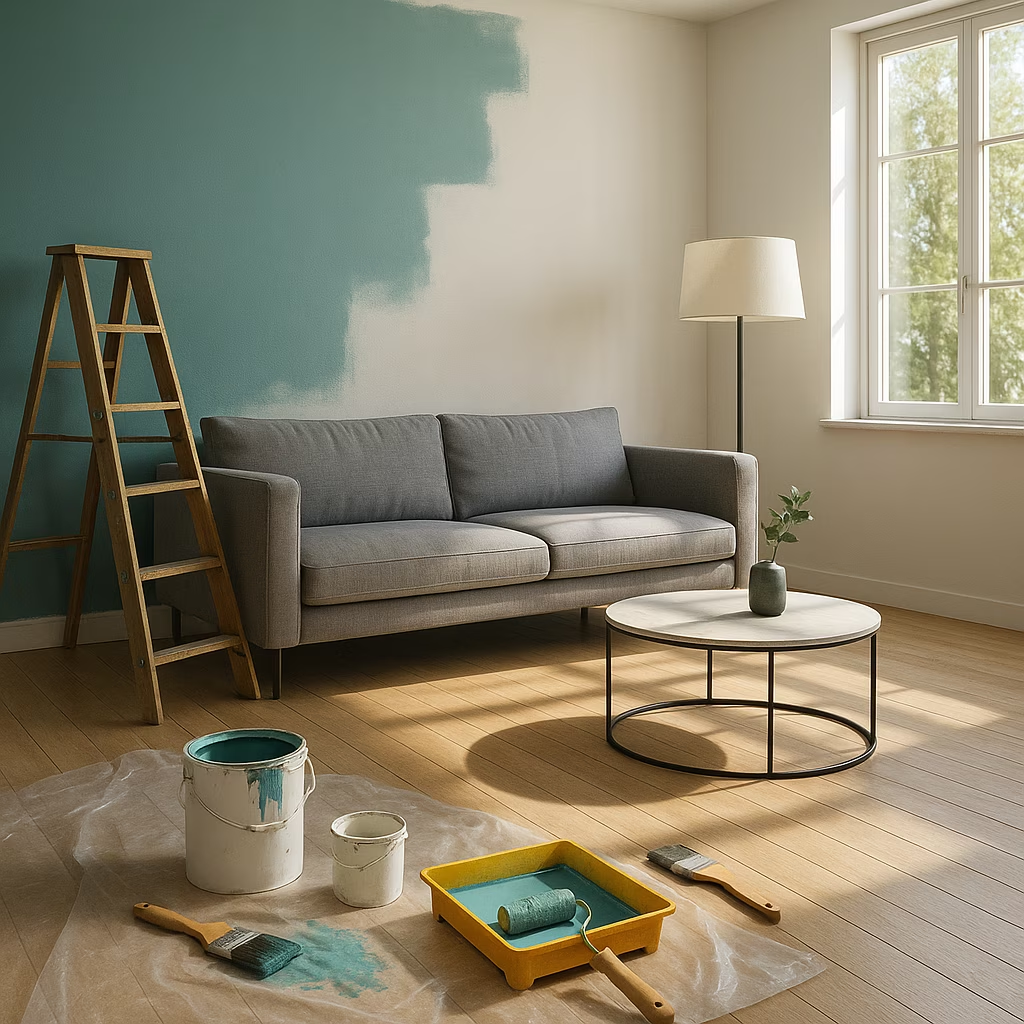
While neutral palettes of white, beige, gray, and black remain classics for reducing visual clutter, there's a bold move towards nature-inspired accents. Think serene shades of dark blue reminiscent of the deep ocean, emerald green for a vibrant pop, or soft greens and blues that echo the sky and sea. The key is using color in a limited, intentional way—perhaps a single statement sofa or through color-blocked walls for a graphic, contemporary punch.
The Texture Game:
This is where the magic happens! To prevent a minimalist space from feeling cold, texture is your best friend. Incorporate it through:
-
Natural Materials: A large wood stump coffee table, a woven armchair, jute rugs, or linen upholstery add instant warmth.
-
Textural Accents: A giant, oversized textured wall hanging, a Moroccan-style rug with a graphic pattern, or a vase filled with interesting branches can become the focal point without creating clutter.
-
Mix of Finishes: Play with matte and glossy surfaces, polished concrete floors against Douglas fir ceilings, or smooth leather alongside nubby wool.
Strategic Furniture and Layout
How you arrange your space is just as important as what you put in it. The goal is to create flow and a sense of airiness.
| Layout Challenge | Minimalist Solution |
|---|---|
| Small Space | Use multifunctional, sparingly scaled furniture. Avoid overcrowding. |
| Large Open-Plan Space | Float furniture to define zones. Use a large area rug and a cohesive color palette to create flow between adjoining areas. A large, anchoring piece (like an overstuffed sectional) can work better than many small ones. |
| Awkward Architecture | Embrace it! Highlight asymmetrical elements like a slanted fireplace for wabi-sabi character. Let striking original features like brick or stone walls do most of the talking. |
Pro Tip: In a room with a pared-down palette, choose accent furniture with organic, sculptural forms. A curvaceous side table or a lamp with an interesting silhouette adds dimension and personality without fuss.
The Art of Curation: Decor and Art
Minimalism doesn't mean bare walls. It means thoughtful, impactful choices.
-
Go Big or Go Home: Instead of a gallery wall of small pieces, opt for one large-scale piece of art over the sofa. It makes a bold statement and maintains a serene, uncluttered feel.
-
Vertical Storage: Use your walls! Floor-to-ceiling shelves on a single wall draw the eye upward and keep belongings off floors and tabletops. Style them with care—a few well-chosen books and objects—to maintain the minimalist aesthetic.
-
Natural Decor: The easiest way to add life? Houseplants. A large potted tree can soften hard lines and city views, while a simple vase of seasonal branches on the coffee table brings the outside in.
-
Clever Camouflage: For the modern essential—the television—paint the wall behind it a dark color to help it blend into the background when not in use. It's all about hiding in plain sight.
Lighting and the Outdoor Connection
Lighting is the soul of a minimalist room. Prioritize natural light above all. Keep windows treatments minimal to let the sunshine pour in. For artificial lighting, think sculptural floor lamps or simple recessed lighting.
If you're lucky enough to have a killer view, let it shine! Take your color cues from the landscape outside. In a mountain home, a neutral scheme with low-slung furniture creates an indoor-outdoor feel. In a coastal space, shades of white and blue reinforce the connection. The rule of thumb? When you've got a supercharged view, your interior decor should play a supporting role, not compete for attention.
Minimalism for Every Style
One of the biggest myths is that minimalism is a single style. In 2026, it's a filter that can be applied to any aesthetic:
-
Mid-Century Modern: The clean lines are a natural fit. Use period-appropriate colors and furnishings for enduring style.
-
Traditional: Embrace symmetry—place identical sofas opposite each other, flank the fireplace with matching lamps. Use a minimalist black-and-white palette to modernize the traditional feel.
-
Coastal: A minimalist approach avoids the kitsch. Use textures like rattan, a limited palette of sand, white, and blue, and leave plenty of floor space clear.
-
Spanish or Boho: Combine stark white walls with graphic black accents and natural materials like leather and woven textiles for a warm, eclectic minimalist vibe.
Ultimately, creating a minimalist living room in 2026 is about crafting a personal haven. It's a conscious choice for a simpler, more sustainable, and more serene lifestyle—a room that isn't chock full of stuff, but full of intention and peace. It's the ultimate less-is-more philosophy, beautifully realized.