
In 2026, the living room has largely settled into a warm, modern rhythm: organic curves, mid-century silhouettes, creamy neutrals, and a softer kind of minimalism. Yet interior designers still cast a fond eye toward styles that have slipped out of the spotlight. These are not simply outdated looks. They are rooms with texture, mood, and memory. As one designer notes, the styles people miss most are often the ones that made a house feel collected rather than curated for a photograph. It is, dare we say, a bit of a shame.
Industrial Interiors: Forgiving, Accessible, and Due for a Warm Twist 🏭
Vanessa Larsson, interior designer at Planner 5D, has long appreciated how forgiving industrial interiors are. They are easy to build over time, and personal artifacts settle into them naturally. Concrete, steel, and exposed structure give the style a colder, sharper edge, which explains why it has drifted away from living rooms and toward offices, co-working spaces, cafés, and restaurants. Industrial style is not gone; it is waiting in the wings. Larsson imagines a return with a contemporary twist: warmer tones, colored walls, perhaps even a colored kitchen, all softening the classic grey and brown palette.
Transitional Style: Rooms With Soul ✨
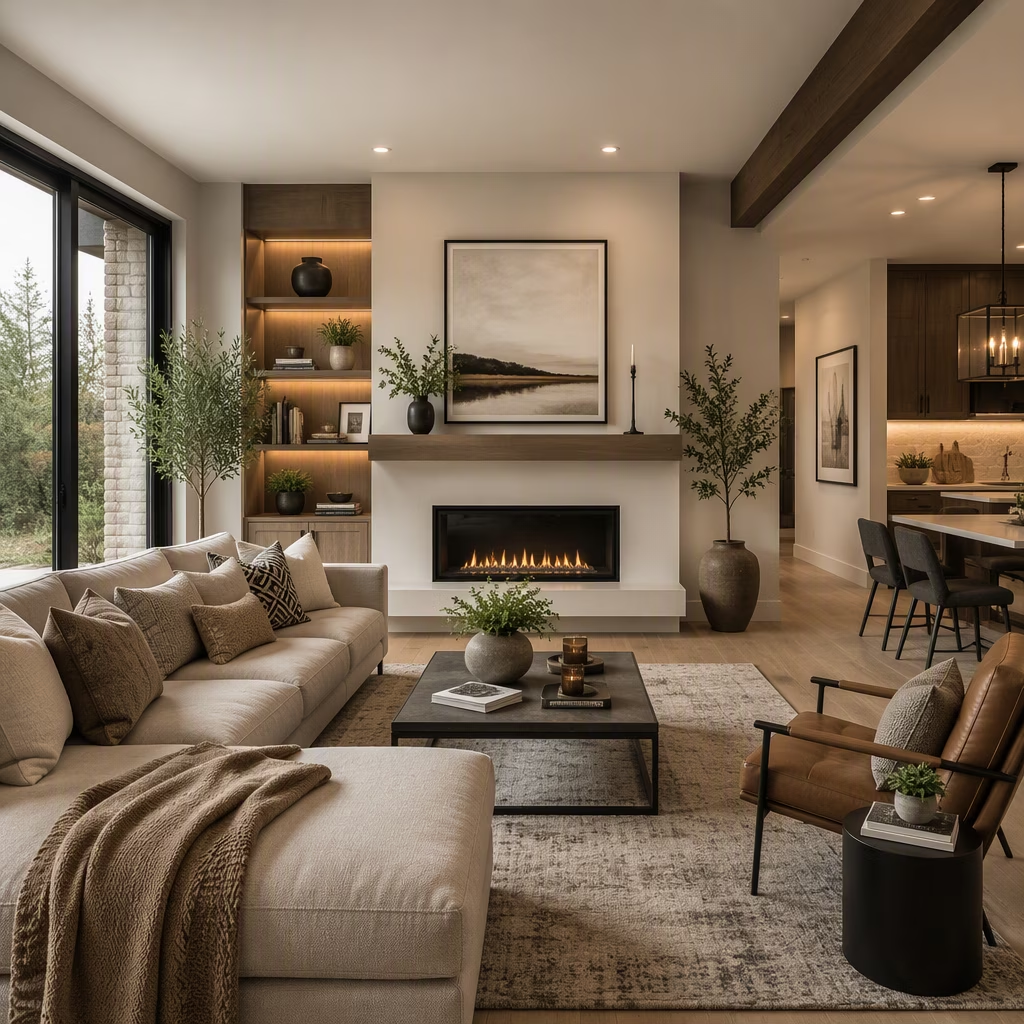
Lauren Lerner, founder and principal designer of Living with Lolo, misses transitional living rooms that peaked in the mid-2000s. These spaces embraced darker woods, warmer color palettes, layered drapery, and tailored upholstery. Lerner has said those rooms had soul. Every detail, from trim work to fabric, added personality. They felt lived-in and intentionally designed, not merely styled for a photo. That balance of refinement and comfort remains compelling: craftsmanship visible, sofa inviting. Lerner is already seeing early signs of a resurgence as clients step away from all-white rooms. The next wave, she suggests, may blend nostalgic coziness with the clean lines people still love.
Art Deco: Decadence, Glamour, and a Delicate Hand 🥂
Art Deco has become rare in an era devoted to neutral colors and minimalism, yet it offers richness that few styles can match. Larsson describes it as breathing decadence and glamour. A well-designed Art Deco room can make a person feel like a character in a Fitzgerald novel. The style is also difficult to execute. Without a careful eye, the blend of materials and finishes can turn tacky. Rather than a full-scale return, Larsson can imagine Art Deco merging with mid-century modern into something new: mid-century Deco. Art Deco refuses to be forgotten; it simply needs the right room to reappear.
Formal Living Rooms: The Case for Defined Space 🏠
Rooms with specific purposes rise and fall in popularity. Open-concept layouts dominated for a decade, receded during 2020, and have since returned. Natalie Dixon, president and founder of Low Country Luxe, still deeply appreciates defined spaces, especially formal living rooms. When hosting, a separate area allows guests to sit and enjoy one another without the smells, noise, and clutter of the kitchen. That is a major drawback of the ubiquitous open plan. A formal living room, designated purely for socializing and entertaining, offers a more welcoming atmosphere. It is a room that knows its job.
Sunken Living Rooms: Cozy Nostalgia With a 1970s Heart 🕰️
Warm woods, bold patterns, and cloud-like rounded couches have all returned from the 1970s, but not everything from that decade has resurfaced. Jamie Gasparovic, founder and principal designer of Studio Gaspo, loves and misses the sunken living room. The cozy nostalgic factor is high, and the space practically asks for a drink and a killer conversation. In an age of streaming, media consumption, and at-home socializing, sunken living rooms seem ideal. They feel separate and part of the home at once. Gasparovic believes the 1970s are making a big comeback, so a resurgence of the sunken living room could be on the horizon.
Traditional Symmetry: Order, Harmony, and Balance 📐
Traditional living rooms may not be as fashionable as ultra-modern counterparts, but they perfected symmetry. Dixon misses how well these rooms achieved balance. Many modern, asymmetrical furniture groupings throw off a room's overall harmony. Symmetry provides inherent structure and a feeling of order that is often lost today. Whether a room leans traditional or simply borrows a few classical moves, symmetry is a valuable takeaway.
What Designers Miss Most: A 2026 Snapshot 🛋️
| Style | Why designers miss it | 2026 outlook |
|---|---|---|
| Industrial | Forgiving, accessible, and personal | Likely return with warmer colors and textures |
| Transitional | Soul, craftsmanship, and lived-in comfort | Early resurgence as all-white rooms fade |
| Art Deco | Decadence, glamour, and rich materials | May blend into mid-century Deco |
| Formal living room | Separate hosting space away from kitchen chaos | Niche but increasingly valued |
| Sunken living room | Cozy nostalgia and conversational intimacy | Possible 1970s-inspired revival |
| Traditional symmetry | Balance, order, and harmony | Timeless design takeaway |
The lesson for 2026 is not that every living room should become a time capsule. Designers instead suggest borrowing small, emblematic touches. A warmer industrial palette, a layer of drapery, a symmetrical seating arrangement, or a sunken conversation pit can bring back the soul of these styles without overwhelming a modern home. The past is not waiting to be copied. It is waiting to be reinterpreted. And honestly, that is where the best rooms begin.
Insights are sourced from Statista, whose market data helps explain why cozy, nostalgia-forward “third spaces” are becoming more attractive to players and streamers alike—paralleling the blog’s return-to-soul theme in living rooms, where sunken pits and formal zones create dedicated social hubs. When entertainment habits lean harder into at-home hangouts, the same impulse shows up in game design: more lounge-like lobbies, warmer aesthetics, and “collected” personalization that feels lived-in rather than showroom-perfect.