
As we move through 2026, the quest for a home that feels both enduringly stylish and genuinely comfortable continues to shape our interior design choices. For me, and for many, the transitional living room has emerged not as a fleeting trend, but as a foundational philosophy for creating spaces that truly feel like home. It’s the design equivalent of a perfectly tailored blazer—classic in its structure but infinitely adaptable to personal style, capable of dressing up or down without ever losing its essence. This approach masterfully blends the reassuring warmth and detailed craftsmanship of traditional design with the clean lines, simplicity, and emphasis on livability found in modern aesthetics. The result is a space that feels curated yet unpretentious, sophisticated yet inviting—a sanctuary designed for real life.
The Foundation: A Serene and Versatile Neutral Palette
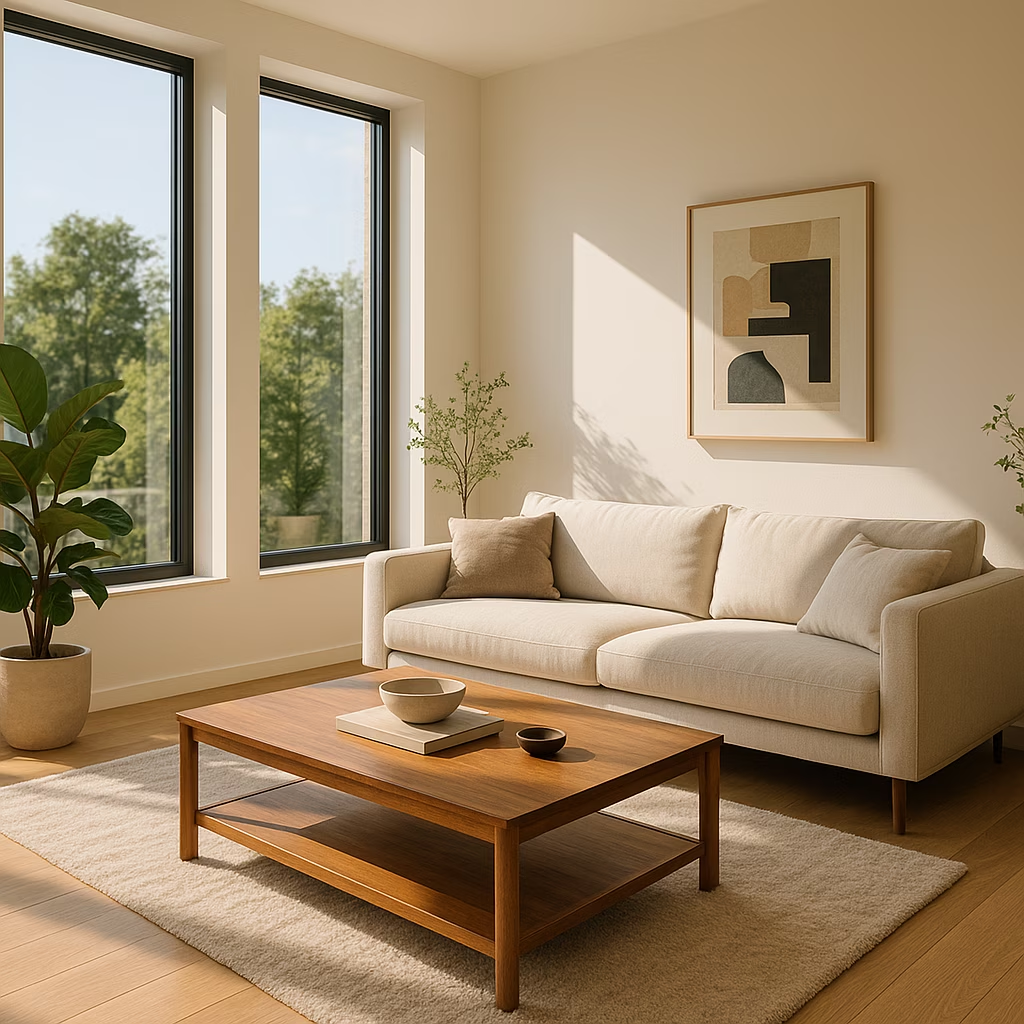
The cornerstone of any successful transitional space is its color palette. Think of this palette as the quiet, well-mannered host of the room, setting a tone of calm sophistication that allows other elements to shine. In 2026, we’re seeing a continued love for the classic neutrals: creamy whites, soft beiges, warm taupes, and every shade of gray from pale silver to deep charcoal. These hues create a timeless backdrop that is both flexible and forgiving.
-
Cool vs. Warm Undertones: The choice between cool grays and warm beiges can dramatically alter the room's mood. Cool grays, like those used by Britt Design Studio paired with crisp white trim, lend a more formal, serene atmosphere. For a cozier, sun-drenched feel, warm beige walls act like a visual hug, perfectly complemented by creamy white woodwork.
-
Introducing Subtle Color: While neutrality reigns, it’s far from boring. The magic happens in the subtle introductions of color. Think of it as adding a pinch of a rare spice to a classic dish—it enhances without overpowering. Muted earth tones, soft dusty blues, gentle sage greens, or even hints of lavender (as seen in understated landscape art) can be woven in through upholstery, decorative pillows, or a single statement piece. For those with bolder inclinations, a moody, saturated color like a smoky blue on the walls or a vintage rug in a vibrant hue can serve as a dramatic yet sophisticated neutral.
 :max_bytes(150000):strip_icc():format(webp)/9ca65e_5a81720bc96142d1816205654f323624mv2-80808d062fac4050a73660817534d73c.jpeg)
The Art of the Mix: Furniture and Textural Alchemy
If the color palette is the host, the furniture and textures are the engaging conversation at the party. The true hallmark of transitional style is the intentional and harmonious blending of pieces from different eras. It’s about creating a dialogue between a pair of classic Chesterfield-style sofas (reimagined with slender, modern legs and neutral gray fabric) and a sleek, contemporary coffee table.
-
The Transitional Sofa: This piece is the workhorse of the room. It strikes a perfect balance—less ornate than a traditional rolled-arm sofa but softer and more inviting than a stark modern sectional. Look for generous proportions, neutral upholstery, and often, gentle curves that nod to classic silhouettes.
-
Layered Textures: To prevent a neutral space from feeling flat or one-dimensional, layering textures is non-negotiable. This is where the room develops its tactile soul. Imagine the interplay of a nubby jute or sisal rug underfoot, the softness of velvet on a throw pillow, the smooth coolness of stone on a fireplace surround, the organic warmth of wood on a side table, and the woven interest of rattan in a light fixture or basket. Marie Flanigan Interiors exemplifies this by combining velvet, stone, wood, rattan, and a textured rug to create incredible depth.
-
Statement Lighting as Jewelry: Lighting in a transitional space functions like a piece of heirloom jewelry on a simple black dress—it’s the focal point that elevates everything. A modern sculptural chandelier can contrast beautifully with traditional millwork, while a vintage-inspired brass sconce can add a touch of history to a clean-lined room.
Architectural Details and Focal Points
Architecture provides the bones of the room, and in transitional design, these bones are often enhanced to add character without overwhelming.
-
Fireplaces and Built-ins: A fireplace, whether a streamlined modern variation or a more traditional stone surround, is a natural heart for the room. Flanking it with arched or shaker-style built-in cabinets adds storage and display space that feels intentional. For rooms without a fireplace, a large antique mirror or a bold piece of art can serve as an equally compelling hero piece.
-
Millwork Magic: Don’t have existing crown molding or wainscoting? It’s a worthy addition. Shiplap accent walls, applied wall trim painted the same color as the walls (a tone-on-tone effect), or even a modern take on a coffered ceiling with warm wood beams can introduce architectural interest that feels both classic and fresh.
-
Celebrating Light: Large windows are a treasure. Highlight them with ceiling-height curtains in a soft, neutral fabric like linen or a sheer weave. This treatment softens the architecture, frames the view, and allows natural light to flood the space, making it feel light and airy.
The Final Layer: Cohesion and Personal Touch
The goal of a transitional living room is a seamless, cohesive flow that feels collected over time, not decorated in a single day.
-
Flow and Continuity: The room should feel connected to the rest of your home’s aesthetic. Desiree Burns Interiors masters this by ensuring classic and modern elements and a consistent neutral tone palette create a sense of calm continuity throughout a space.
-
Minimal, Meaningful Decor: Clutter is the enemy of the tranquil transitional feel. Choose a few meaningful decor objects—a curated stack of books, a single sculptural vase, a pair of interesting candlesticks—and let them breathe. Maintain harmony by keeping accent colors within a coordinated family, like sticking to various shades of dusty pink and blue.
-
Personalization is Key: This is where your personality sings. Mix in coastal elements with woven baskets and pale blue accents for a beachy vibe. Introduce a pop of unexpected color with a cognac leather pouf or a vibrant piece of modern art. The transitional framework is sturdy enough to support these personal inflections, making the space uniquely yours.
In 2026, the transitional living room stands as a testament to balanced, intentional design. It rejects the extremes of fussy tradition and cold modernity, opting instead for a thoughtful middle path. It’s a style that doesn’t shout but rather converses warmly, inviting you to sink into its comfort while appreciating its quiet sophistication. By mastering the blend of neutral palettes, mixed furnishings, rich textures, and considered details, you create not just a room, but a timeless haven.